
News & Events
UT Research Park’s Center for Precision Health Grand Opening
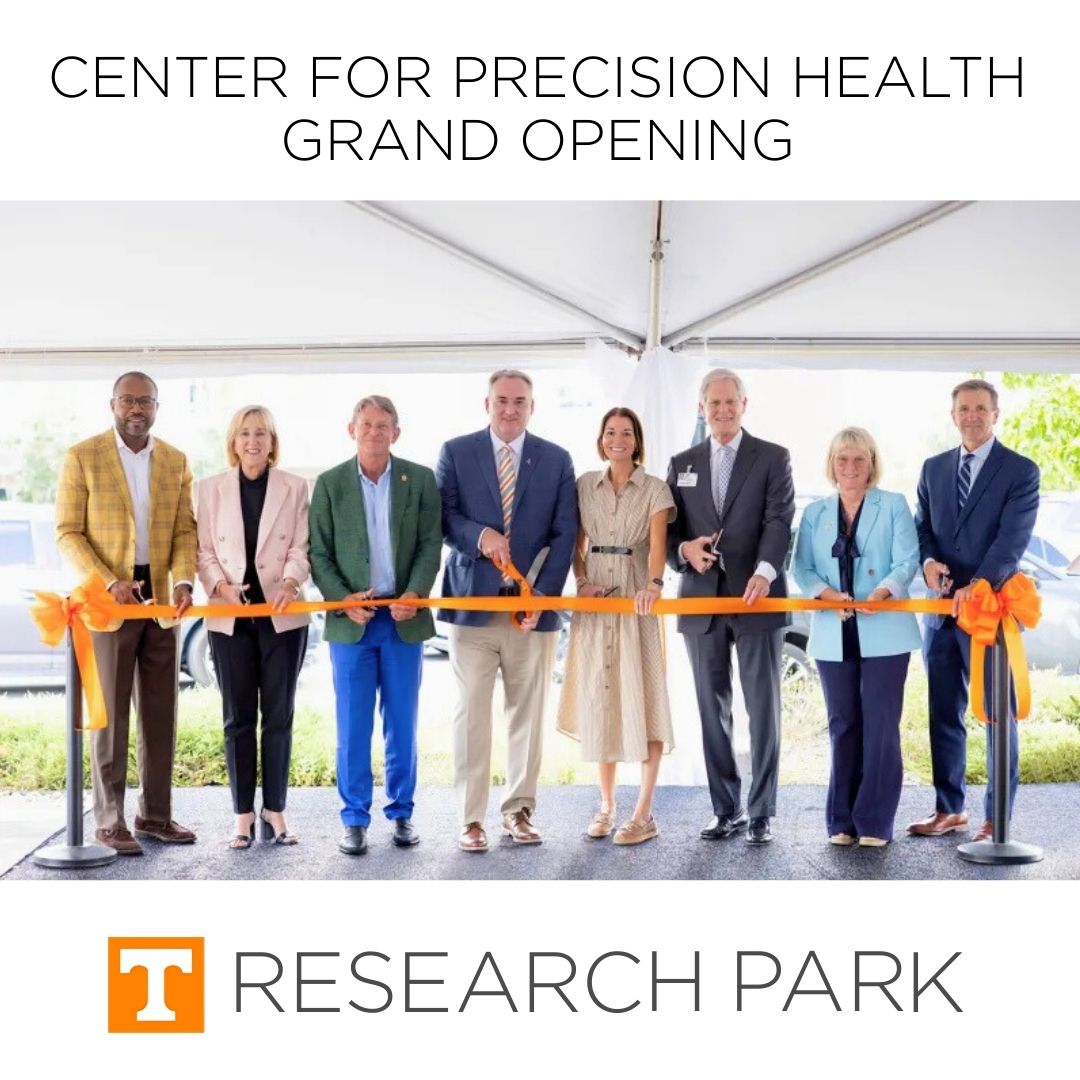
KNOXVILLE, Tenn. – The future of healthcare innovation in East Tennessee has a new home. In a landmark collaboration, the University of Tennessee, Knoxville, and the University of Tennessee Medical Center have officially opened the Center for Precision Health at the UT Research Park at Cherokee Farm, launching a powerful new engine for scientific discovery and economic growth.
This state-of-the-art facility, located on the third floor of the Orthopaedic Institute, is more than just a laboratory; it’s a deliberate collision point for the brightest minds in academia, medicine, and entrepreneurship. Its mission is clear: to break down silos and foster the transdisciplinary collaboration needed to solve Tennessee’s most pressing health challenges and improve patient outcomes.
A Hub of Collaboration and Cutting-Edge Technology
The Center for Precision Health is designed from the ground up to accelerate ideas from concept to clinic. It houses several specialized cores under one roof:
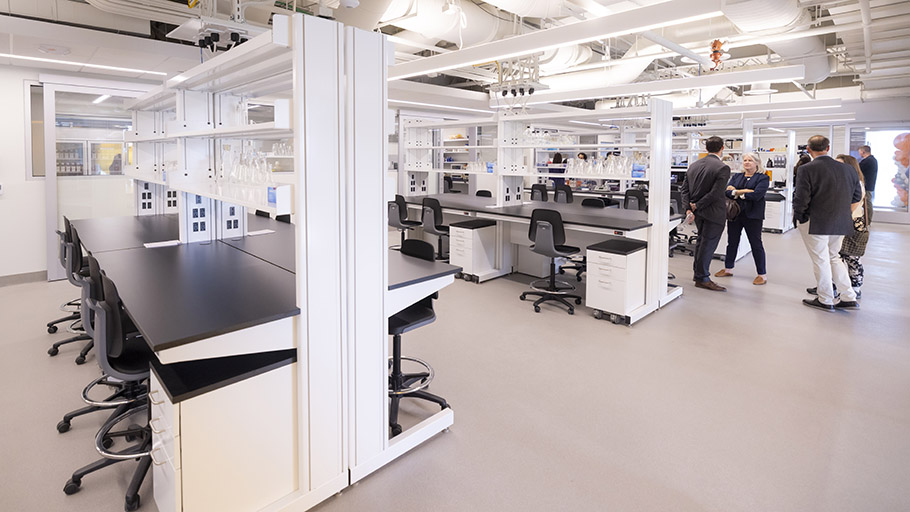
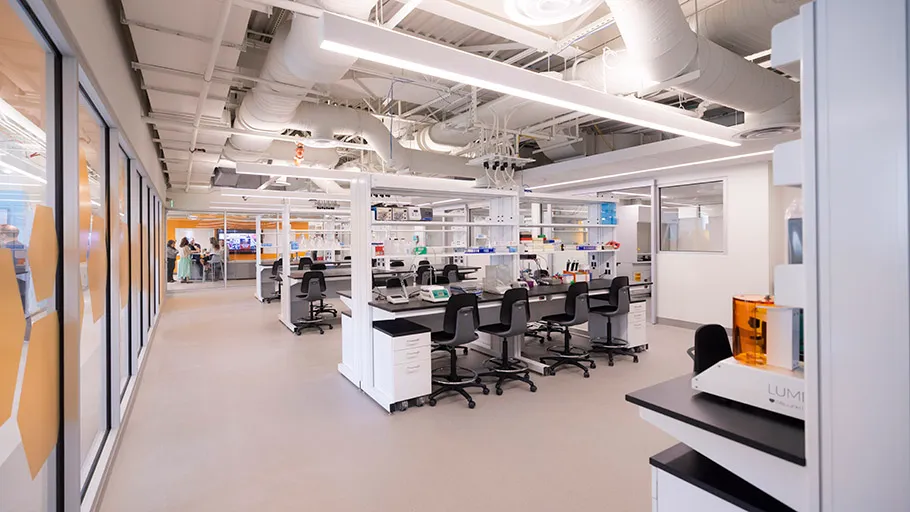
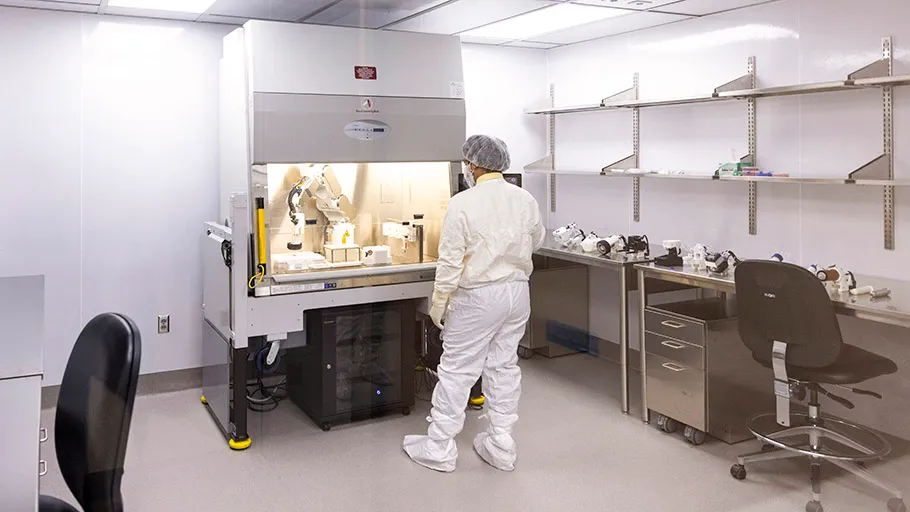
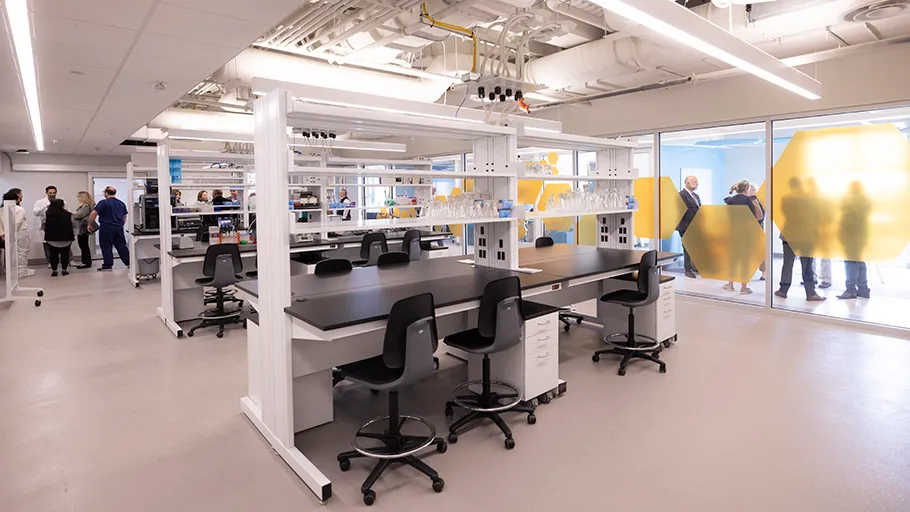

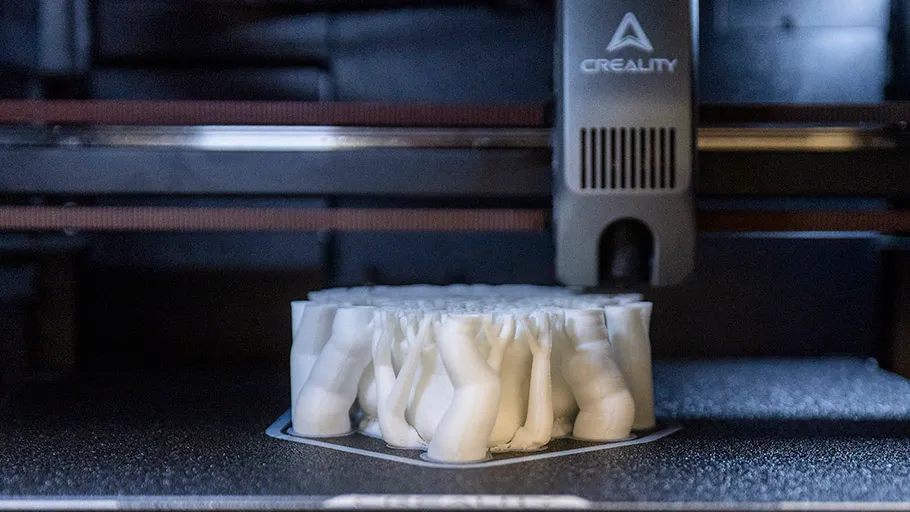
Photos by Craig Bisacre | University of Tennessee | Sept. 3, 2025 Center for Precision Health Grand Opening
- Medical Device Innovation Core (MeDIC): This flagship lab features a six-axis robotic 3D printer operating in an environmentally controlled clean room. This cutting-edge technology can fabricate complex artificial bones, tendons, and nerves, providing unprecedented opportunities for researchers in engineering, veterinary medicine, and biomedical science to pioneer the next generation of medical devices and regenerative implants.
- Clinical Research Core: To directly connect research with the community, the center includes a dedicated clinical suite with private patient exam rooms and phlebotomy labs. This space makes it significantly easier to conduct human subjects research, ensuring that scientific discoveries are grounded in real-world patient needs and benefits.
- Computational Medicine Suites: In the era of big data, the center is equipped for advanced analysis. Featuring massive 16-foot visualization screens and collaborative technology, researchers will delve into complex datasets—from electronic health records to wearable device sensors—to diagnose disease, model outcomes, and improve population health.
Spark BioHub Ignites Life Science Startups
Integral to this new ecosystem is the launch of the Spark BioHub, a strategic expansion by the nationally recognized Spark Innovation Center. Occupying 2,600 square feet within the Center for Precision Health, the BioHub is a dedicated incubator for health and wellness startups.
It provides the essential fuel for life science entrepreneurs:
- Wet lab space for prototyping and development.
- Specialized entrepreneurial coaching focused on the unique challenges of biotech and medtech.
- Expert mentorship from a new Life Science Advisory Board and experts-in-residence with deep industry knowledge in pharmaceuticals and medical devices.
- Support in business model development, regulatory navigation, and commercialization.
The BioHub ensures that groundbreaking innovations born in the university’s labs have a clear and supported path to the market, creating new companies and high-wage jobs in East Tennessee.
Building a Healthier and More Prosperous Future
The physical collocation of scientists, physicians, and entrepreneurs is designed to create a vibrant, self-sustaining ecosystem. This initiative represents a profound commitment to a shared vision: a healthier Tennessee and a more robust, innovation-driven economy for the region.
The opening of the Center for Precision Health and the Spark BioHub isn’t just the launch of a new building—it’s the start of a new chapter, positioning Knoxville and the University of Tennessee as a leading destination for precision health research and life science entrepreneurship.
About the UT Research Park
Located across the Tennessee River from UT Knoxville, the UT Research Park at Cherokee Farm is a 150-acre hub for research, innovation, and economic development. It hosts industry leaders, startups, and academic partnerships focused on advanced materials, energy, AI, mobility, and health. The park’s 365,000 sq. ft. of developed space supports 800+ employees and leverages proximity to UT’s $339M research ecosystem